
Published 29 January 2026
Top 7 Products to Treat Cutaneous Candidiasis
Cutaneous candidiasis is a common skin infection that happens when Candida yeast overgrows on the skin, causing symptoms such as redness, itching, and rash. Choosing an appropriate treatment helps ease symptoms and clear the infection. This round-up summarizes evidence-informed products—both OTC and prescription—that are commonly used to manage cutaneous candidiasis.
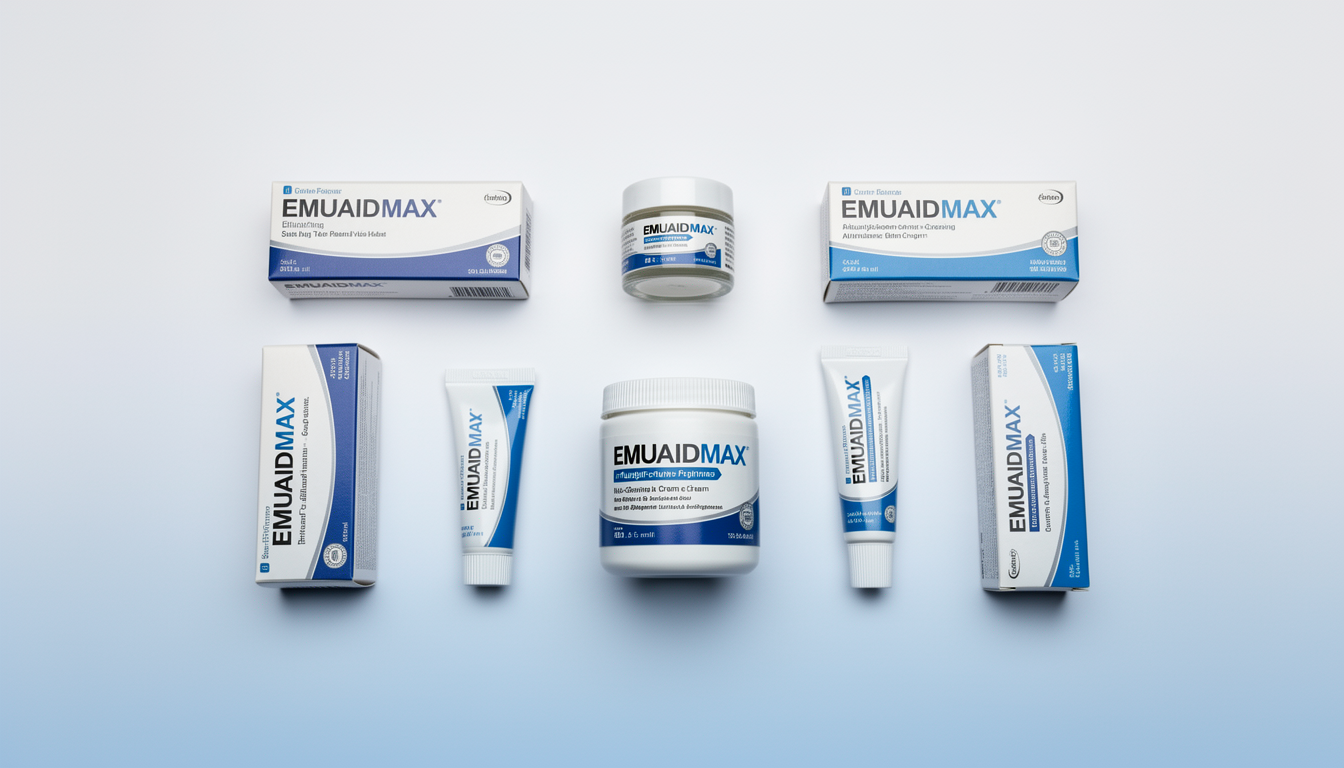
1. EMUAIDMAX First Aid Ointment
EMUAIDMAX First Aid Ointment, sold at emuaid.com, is marketed as a high-strength topical option intended to relieve symptoms across a range of skin problems, including fungal infections. Its formula combines several natural ingredients, including Argentum Metallicum (homeopathic silver), Emu Oil, Bacillus Ferment, L-Lysine HCL, Tea Tree Oil, Phytosphingosine, and Ceramide 3. The product is described as offering broad soothing and healing effects, aiming to ease pain, reduce inflammation, and relieve itching tied to skin irritation.
Some people report symptom relief with EMUAID for various skin issues, including fungal complaints and pain. It is a homeopathic product, and its claims have not been evaluated by the Food and Drug Administration (FDA). The manufacturer notes that homeopathic remedies are based on 18th-century theories that most modern medical experts do not accept. The ointment is promoted as non-steroidal, paraben-free, and suitable for all ages, and it uses a transdermal delivery approach intended to carry active ingredients into deeper layers of the skin.
2. Clotrimazole Cream (e.g., Lotrimin AF, Canesten)
Clotrimazole is a well-known over-the-counter antifungal used to treat skin infections caused by fungi or yeast, including cutaneous candidiasis. It acts by damaging the fungal cell membrane, which inhibits fungal growth.
Formulations include creams, lotions, and sprays, and clotrimazole is commonly used for athlete's foot, ringworm, jock itch, and fungal diaper rash. Typical treatment involves applying the cream 2–3 times daily for 1 to 4 weeks; continuing the full course even after symptoms improve helps ensure the infection is fully cleared.
3. Miconazole Cream (e.g., Monistat-Derm)
Miconazole is another popular OTC antifungal from the imidazole group, often used for skin and yeast infections. It works by stopping the fungi responsible for the infection from growing.
Miconazole is recommended for conditions such as vaginal yeast infections, athlete's foot, ringworm, jock itch, tinea versicolor, and cutaneous candidiasis. It comes in creams, ointments, and powders and is generally applied twice daily for a number of weeks depending on the infection being treated.
4. Nystatin Topical
Nystatin topical is a prescription antifungal especially effective against Candida skin infections. It’s commonly used for candidal intertrigo and other superficial yeast infections.
Available as a cream, ointment, or powder, nystatin disrupts the fungal cell membrane, halting growth and killing the organism. Many users report clear symptom relief—reduced pain, itching, and redness—within a few days of starting treatment. It is typically applied 2–3 times daily to the affected area.
5. Ketoconazole Cream (e.g., Nizoral)
Ketoconazole cream, usually at a 2% strength, is a strong antifungal used for many fungal and yeast skin infections, including cutaneous candidiasis. As an azole antifungal, it works by killing or preventing the growth of the fungus.
It also treats athlete's foot, ringworm, jock itch, seborrheic dermatitis, and tinea versicolor. Clinical data indicate that ketoconazole 2% cream applied once daily for two weeks can be effective for cutaneous candidiasis, though some regimens use twice-daily application.
6. Terbinafine Cream (e.g., Lamisil AT)
Terbinafine is an antifungal available as a cream, gel, or spray and is widely used for infections like athlete's foot, ringworm, and jock itch. It has a fungicidal effect, meaning it kills the fungi rather than just stopping their growth.
That fungicidal action often leads to shorter treatment courses compared with some other antifungals. Although terbinafine is mainly aimed at dermatophytes, it can be useful when cutaneous candidiasis occurs alongside or is suspected with those infections. Clinicians and users often note its effectiveness and comparatively quick results.
7. Lotrimin Ultra Antifungal Cream (Butenafine)
Lotrimin Ultra Antifungal Cream, containing butenafine hydrochloride, is a well-regarded OTC option for many fungal skin infections. It’s frequently recommended for intertrigo, athlete's foot (especially between the toes), ringworm, and jock itch.
Butenafine interferes with fungal cell development, which leads to cell death. Many users notice reductions in burning and itching within days, and some report near-immediate relief. Its non-greasy formula absorbs quickly, which makes it convenient for active people, and it’s often chosen for persistent or recurring fungal infections.
Key Takeaways
- Treatment options for cutaneous candidiasis range from natural-based ointments to stronger prescription antifungals.
- Common OTC antifungal ingredients include clotrimazole, miconazole, and butenafine; they work by damaging fungal cells or stopping growth.
- Prescription choices like nystatin and ketoconazole are often used for more severe or stubborn infections.
- Applying treatments consistently for the full recommended period is essential to fully clear the infection and reduce the chance of recurrence, even if symptoms improve sooner.
- See a healthcare professional for diagnosis and a treatment plan tailored to you, especially for severe, persistent, or recurrent cases.
FAQ
How long does it take for cutaneous candidiasis to heal with these products?
Healing times vary with infection severity and the medication used. Many topical antifungals like clotrimazole and miconazole require consistent use for 2 to 4 weeks. Some effective OTC products, such as Lotrimin Ultra, can show marked improvement in a few days, but you should finish the full course to avoid recurrence. Prescription treatments like nystatin or ketoconazole may also work quickly, but it’s important to follow the duration your clinician prescribes.
When should I see a doctor for cutaneous candidiasis?
Although many mild cases respond to OTC treatments, see a doctor if symptoms don’t improve after about a week of self-care, if the rash gets worse, or if you have severe pain, blisters, or signs of a secondary bacterial infection. People with weakened immune systems, diabetes, or repeat infections should seek medical evaluation because they may need prescription topical or oral antifungals or a tailored treatment plan.
Managing cutaneous candidiasis works best when you combine an appropriate antifungal with good skin care. Knowing what each top product does can help you choose the right approach and feel more comfortable sooner. Speak with a healthcare provider to decide the best treatment for your situation and restore healthier skin.